
Key Highlights
- Early legal intervention in drug cases is critical to protect your rights and build a strong defense.
- Nevada drug laws are complex, and a conviction can carry serious and long-term consequences.
- A skilled Las Vegas drug defense attorney can challenge the evidence, negotiate plea deals, and explore alternative sentencing options.
- Understanding your rights if you are arrested for a drug offense is crucial. You have the right to remain silent and to have an attorney present during questioning.
- Proactive measures, like knowing your rights and seeking legal advice before problems arise, can help you avoid serious legal trouble.
Introduction
Facing drug charges is really tough and can feel scary, but getting help from a lawyer early on can really change how your case turns out. Good criminal defense strategies start when you first get accused, not just in the courtroom. With the knowledge of how important it is to have early legal intervention and with the help of a skilled defense attorney, you can deal with the tricky issues of drug charges and protect your rights the right way. Drug charges can result in significant fines, lengthy jail or prison sentences, and even the seizure of your home or vehicle. It is crucial to hire an experienced drug lawyer to defend you and fight the charges.

Understanding Drug Charges and Legal Interventions in the US
In the United States, drug charges are controlled by a complicated mix of federal and state laws. With these laws, many offenses take place, starting from simple possession to trafficking and distribution. Within each state, there are different statutes and penalties related to drug offenses, while federal law adds even more complexity, especially when large amounts of drugs are involved or when activities cross state lines. If you have a drug charge for transporting or trafficking, reach out to a drug lawyer like Charles Goodwin to get the assistance you need.
It’s important to keep in mind that having a drug charge does not mean someone is convicted. The legal system offers ways for people to defend themselves. In this situation, legal interventions become crucial. Legal interventions consist of various strategies and actions that defense attorneys use to safeguard their clients’ rights and interests.
The Importance of Early Legal Intervention
Getting legal help early in drug cases is really important for several reasons. With an attorney by your side, they can start working on your defense right away. This means they can collect evidence, talk to witnesses, and file any necessary motions to either suppress evidence or dismiss charges.
Also, having early intervention helps you avoid saying things that could make you look guilty in front of law enforcement. Anything you tell the police could hurt you in court, so it’s key to have a defense attorney there when you’re being questioned. A defense attorney can guide you on how to deal with law enforcement and make sure your rights stay safe.
Finally, getting legal help early can improve your chances of striking a good plea bargain or even getting the charges lifted completely. Prosecutors usually like working with defendants who have legal help, and a good defense attorney can often get a lighter sentence than what you might achieve alone.
Types of Drug Charges in the United States
Drug charges in the United States can be sorted into different types, and each one has unique legal results and possible penalties. With regards to the type of controlled substance involved, possession of a controlled substance like cocaine or heroin leads to different legal issues compared to possessing marijuana or schedule V drugs, which have a lower potential for abuse.
In terms of another method for classifying drug charges, some focus on the offense itself. For example, simple possession usually means having a small amount of a controlled substance for personal use. This situation is very different from possession with the intent to distribute. Charges related to intent to distribute are often based on factors such as how much of the drug is found, whether drug paraphernalia is present, or if there is any proof of drug sales. Other types of drug charges in the United States include possession with intent to sell, drug trafficking, and drug manufacturing, all of which can result in serious consequences such as imprisonment in a state prison.

Also, drug trafficking involves moving or distributing large amounts of controlled substances, and it’s taken very seriously, carrying harsh penalties, often including mandatory minimum sentences. The exact charges someone faces depend on the situation surrounding their case and the evidence that law enforcement has collected.
How Early Legal Representation Can Make a Difference
When you get arrested or if you’re being investigated for a drug crime, your legal rights can be at risk. In this situation, law enforcement officers know how to collect evidence and get confessions that might be used against you in court. Without having an attorney by your side, you may accidentally give up your rights or say things that could be bad for your situation.
A drug defense attorney can be like a shield for you, helping to protect your constitutional rights and making sure law enforcement follows the right procedures. They are able to question if the searches and seizures were lawful, look closely at the evidence related to your case, and guide you on the best course of action based on what is happening with your case.
Navigating the Complexities of Drug Laws
Understanding the complexity of drug laws is important, especially when it comes to places like Clark County, Nevada. Under Nevada law, there are particular rules about drug possession, selling drugs, and trafficking. Each situation can lead to different penalties that depend on the kind and amount of drugs in question.
In addition, Nevada uses a tiered system for classifying controlled substances. For example, Schedule I drugs are those that have a high chance of being abused and have no accepted medical use, making them the most serious type of drug. On the other hand, Schedule V drugs are believed to have a lower risk for abuse. Knowing these categories is vital since the type of drug involved in a case can greatly impact the severity of the punishment.
With the help of an experienced criminal defense lawyer in Clark County, you will find someone who understands both Nevada law and federal drug regulations well. They can look at the details of your case, point out if your rights have been violated, and create a defense plan that fits your specific situation. Navigating the complexities of drug laws can be overwhelming, but having an experienced criminal defense attorney Las Vegas NV by your side can make all the difference.
Protecting Your Rights from the Start
When you are facing criminal charges, especially those involving drugs, it’s very important to keep in mind that you have constitutional rights. These rights protect you during each step of the legal process. Found in the Bill of Rights, they make sure you have vital legal protections, such as being safe from unreasonable searches and seizures, having the right to stay silent, and being able to get legal counsel.
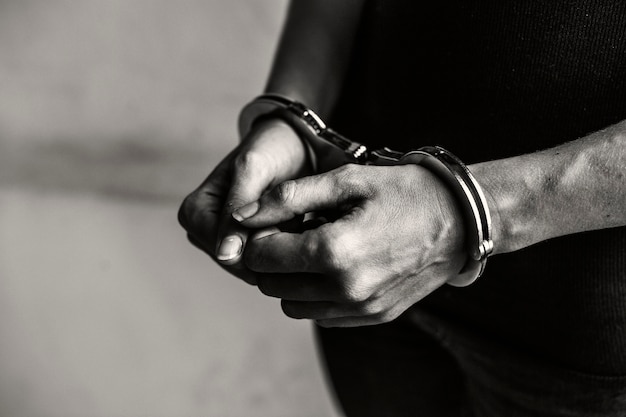
During this time, a criminal defense lawyer acts as your advocate. They ensure your constitutional rights are respected throughout the court proceedings. From when you first get arrested and questioned to your trial and possible sentencing, your attorney is there to help defend your freedoms and strives for the best outcome in your case.
Always remember that anything you tell law enforcement can potentially be used against you. Because of this, it is very important to use your right to remain silent and to ask for a criminal defense lawyer as soon as you are taken into custody. An experienced attorney will help you know how to deal with law enforcement, make sure your rights are not ignored, and guide you through the confusing parts of the criminal justice system.
The Role of a Drug Defense Attorney in Early Intervention
The role of a drug defense attorney in early intervention is important and starts long before a court appearance. From the very beginning, they act as your legal advocate, offering expert guidance and working to protect your interests during the legal process. After you hire them, an attorney will quickly begin a detailed investigation into the facts of your case.
This investigation includes looking into the details surrounding your arrest, checking police reports and pieces of evidence, and talking to witnesses. By carefully examining the actions of law enforcement, a skilled attorney can find potential mistakes in procedure, violations of your constitutional rights, or gaps in the prosecution’s case.
Assessing the Evidence Against You
In any drug crime case, the evidence against you plays a crucial part in deciding what happens next. A criminal defense attorney will carefully look at the evidence, checking for weaknesses, inconsistencies, or any errors made during the process. This includes looking into the details surrounding the arrest, the lawfulness of any searches and seizures, and the chain of custody regarding the supposed drugs.
Many times, drug crime cases depend on whether the evidence can be used in court. Your attorney is responsible for figuring out if law enforcement followed the law when obtaining evidence. For example, if a search warrant wasn’t properly secured or if your Miranda rights weren’t respected during your arrest, then the evidence collected due to these situations might be thrown out in court.
The burden lies on the prosecution to prove your guilt beyond a reasonable doubt. By closely examining the evidence against you and questioning its legality, a skilled criminal defense attorney can cause doubt in jurors’ minds. This way, it might even lead to dropping or reducing the charges against you, which could save you from heavy fines and other serious punishments linked to a drug crime conviction.
Strategic Planning for Your Defense
After a thorough investigation is done, your experienced lawyer will go over the best defense plans for your specific situation. This can mean challenging the legality of the search and seizure, saying that you weren’t in possession of the drugs, or showing proof to back up another explanation for what happened when you were arrested.
Often, strong defenses focus on weakening the prosecution’s case. For instance, if the prosecution’s argument relies on the words of just one witness, your attorney might provide proof to question that witness’s trustworthiness, which can create doubt for the jury.
The defense strategies you choose will rely on what is unique to your case. An experienced lawyer will look at all possible options carefully to come up with an approach that gives you the best chance for a successful result.
Case Studies: Successful Early Legal Interventions
Real-life examples of successful early legal actions in drug cases show the clear advantages of getting legal help quickly. Through these case studies, it becomes evident that skilled drug defense attorneys can manage the complexities of the legal system and secure good outcomes for their clients.
With an analysis of past successes, potential clients can understand how taking action early, through a proactive defense strategy, can significantly protect their rights and lessen the possible consequences of drug charges.
Example 1: Averting Severe Penalties Through Timely Legal Action
One time, a young client faced a serious drug charge that could lead to a lot of jail time. The client had no criminal record before this and was accused of having marijuana with the intention to sell after a traffic stop where police found a large amount in his car. However, with the timely legal intervention of Nick Wooldridge, the client was able to avoid severe penalties and potential sex crimes charges, as well as protect their future and reputation.
Through quick legal help, his lawyer found out that the police did an illegal search of the vehicle, breaking the client’s Fourth Amendment rights. Assertively, the attorney filed a motion to suppress the evidence, saying that since the search was illegal, the drugs shouldn’t be used in court.
With this in mind, the judge agreed, and as a result, that key evidence was thrown out. Consequently, the prosecution’s case fell apart. In the end, the client managed to take a plea bargain for a lesser offense with no jail time, escaping the harsh consequences of the initial drug charge. This situation shows how important fast legal help can be in changing the result of a drug case, potentially leading to a not guilty verdict.
Example 2: Negotiating Plea Deals and Reduced Charges
In another situation, a college student faced their first offense related to drug possession. After authorities found them with a small amount of cocaine, they worried that a conviction would wreck their future chances. Their defense attorney, aware of the serious long-term effects of a drug conviction, put in a lot of effort to negotiate a good plea deal.
With a focus on the client’s clean record, their desire to improve their life, and their openness to joining a drug treatment program, the attorney presented a strong case. The prosecution, considering the circumstances and seeing the client’s sincere regret, agreed to lessen the charges. By completing a diversion program that involved drug counseling and community service, the client managed to avoid a criminal conviction completely.
This situation shows how effective negotiation by a committed defense attorney can result in better outcomes, especially for those facing a first offense for drug possession. Over time, diversion programs and alternative sentencing options allow individuals to tackle their real problems, stay away from the harsh realities of the criminal justice system, and move ahead with their lives.
Understanding the Consequences of Drug Convictions
When considering the immediate legal effects like fines, probation, or jail time, a drug conviction can lead to far-reaching impacts on someone’s life. With a criminal record, people can face big challenges when looking for jobs, housing, or education, which might narrow their future options and make it hard to start over.
In addition, the social stigma tied to drug offenses can put a strain on relationships, hurt reputations, and form barriers to being accepted socially. By recognizing all the potential consequences that can come from a drug conviction, it highlights the need to build a strong defense and look into every legal option available.
Long-term Impacts on Employment
One important result of a drug conviction is how it affects job opportunities. With a criminal record, it can be really hard to get hired. Some employers do background checks, and if you have a drug conviction, it might raise concerns, causing job applications to get turned down.
This hurdle can lead to more problems, making it tough to keep financial stability, find a place to live, and support yourself or your family. The negative views tied to a criminal record, especially for drug offenses, can create struggles in finding a job in different areas, leaving fewer chances and slowing down career growth.
Although some states have started “ban the box” laws and fair chance hiring practices to lessen the effects of criminal records on finding work, the negative perceptions usually stick around. It’s really important for people dealing with drug charges to know these lasting effects and to stand up for their rights to dodge a criminal conviction, helping to secure their job chances in the future.
Social Stigma and Personal Relationships
The social stigma surrounding drug offenses can really affect personal relationships. People with drug convictions often face judgment, prejudice, and discrimination from family members, friends, and their communities.
Due to this stigma, individuals might feel isolated, have strained relationships, and struggle to keep healthy social connections. The shame and embarrassment from drug charges can make it hard to ask for support, which can make feelings of isolation worse and hurt the recovery process.

It is important to understand that drug addiction is complex, with many factors at play. Furthermore, those with drug offenses deserve compassion, understanding, and access to help for their recovery. By addressing the social stigma related to drug offenses, we can create a more supportive society that promotes rehabilitation and gives second chances.
Strategies for Defense in Drug Cases
Building a strong defense against drug charges takes a detailed plan that looks at all parts of the case. Experienced drug defense attorneys use different methods, using their understanding of the law, investigative abilities, and negotiation skills to safeguard their client’s rights.
By questioning the legality of the arrest and whether the evidence can be used, they also consider other sentencing choices and promote their client’s chance for rehabilitation. A talented attorney serves as a dedicated supporter, aiming to lessen possible consequences and reach the best outcome possible.
Challenging the Legality of the Drug Possession Charge
In many successful defenses of drug cases, important steps include looking closely at what law enforcement did and ensuring that the defendant’s constitutional rights were protected during the whole process. According to the Fourth Amendment of the U.S. Constitution, people are safe from unreasonable searches and seizures.
When it comes to drug possession cases, the defense might question whether the search that found the illegal drugs was done lawfully. For example, if police searched without having a warrant, lacked probable cause, or went beyond the legal limits of a valid warrant, then any evidence found might not be allowed in court.
The exclusionary rule stops the prosecution from using evidence gathered in a way that violated the defendant’s constitutional rights. When significant evidence, like the illegal drugs, gets ruled out because of an unlawful search, the prosecution’s case can lose strength and may even cause the charges to be dropped.
Exploring Alternatives to Incarceration
When dismissal of the charges isn’t possible, skilled drug defense attorneys look for other options instead of jail time. They want to reduce their client’s interaction with the criminal justice system and support their recovery. For instance, drug courts provide a special court system for people charged with nonviolent drug offenses.
In these programs, there’s usually a mix of drug treatment, counseling, and court monitoring instead of serving traditional time in jail. Those who finish drug court programs successfully often get their charges lowered or dismissed, which helps them find a way to heal and have a clean record.
Besides drug courts, there are also other alternatives to incarceration, like probation, community service, and house arrest, which might be offered based on the case. A skilled attorney will check if the client qualifies for these programs and will push for their inclusion as part of a plea bargain or sentencing deal.
Preventive Measures and Legal Rights
After a drug charge happens, legal intervention is very important. Before facing any legal issues, being proactive and knowing your legal rights can help you avoid trouble. With understanding your rights during meetings with law enforcement, especially during traffic stops, you can speak up for your rights and not get yourself in more trouble.
In addition, asking for legal help from a good attorney before any issues come up can really make a difference. For instance, while applying for medical marijuana cards or dealing with prescription drugs, getting this guidance can clear things up and make sure you follow the law. This way, you can lower the chances of facing drug charges.
The Importance of Knowing Your Rights
During any interaction with law enforcement, it is very important to remember that you have constitutional rights that are here to protect you. The best way to make sure these rights are respected is to know about them and say them out loud when necessary. You have the right to remain silent, which means you don’t have to answer questions that could make things worse for you.
Also, you have the right to an attorney, and it’s a smart choice to use this right as soon as you can. Having a legal team with you right from the start can really affect how your case turns out. Law enforcement officers are trained to get confessions and find evidence. Even things that seem harmless can be twisted or used against you in court.
Keep in mind that anything you say to law enforcement can come back to hurt you, but it won’t help you if you decide to stay quiet. By using your constitutional right to remain silent and asking to talk to an attorney, you protect yourself from possibly getting into trouble and make sure your rights are looked after.
Steps to Take Immediately After an Arrest
Getting arrested, especially for a drug offense, can feel really shocking and confusing. In those moments, staying calm is important, and you should remember that you have legal rights. Start by using your right to remain silent and kindly ask to talk to an attorney.
Without first talking to a legal expert, do not answer questions or allow any searches. Trying to explain your side or negotiate without a lawyer could make things more complicated and might hurt your case later on.
When you can, get in touch with experienced drug crime lawyers nearby to arrange a free consultation. During that meeting, the attorney will look into your arrest details, tell you about your legal rights, and explore possible defense strategies, including those related to domestic violence. Acting quickly after an arrest is vital for creating a strong defense and protecting your rights during the legal process.
Conclusion
In conclusion, having early legal help in drug cases can change how your legal situation turns out. With a skilled drug defense attorney by your side right away, you can handle the tricky parts of drug laws, secure your rights from the beginning, and plan a solid defense. By understanding what happens if you are convicted of drug charges and looking into ways to prevent issues, you take important steps to protect your future. Also, after an arrest, always remember that knowing your rights and acting quickly can really impact what happens next in your case. Stay educated, look for expert legal advice, and take an active role in your defense to lessen any possible long-term effects.
Frequently Asked Questions
What to Do If You’re Arrested for a Drug Charge?
When you get arrested for drug charges, it’s really important to use your legal rights. After that, try to stay silent and quickly ask to talk to a criminal defense lawyer. From there, this lawyer will help you manage the situation, make sure your rights are safe, and begin creating a strong defense for your criminal case.
How Can an Attorney Help Before Charges Are Filed?
In drug charges, early intervention is very important. With the help of a defense attorney from a reputable law firm, you can get support even before any charges are filed. Through negotiations with the district attorney, they may present evidence that could lessen the situation. This effort could keep the case from progressing, highlighting how crucial it is to have legal help early on.

